The Two-Inch Frontier: Why Your Lips Need a Real Anti-Aging Plan in 2026
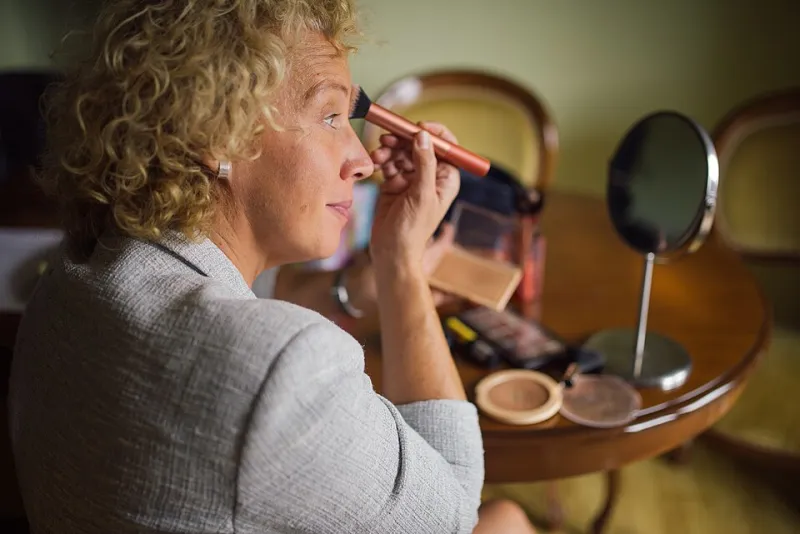
Photo: Shixart1985, CC BY 2.0, via Wikimedia Commons
Your eyes get cream. Your neck gets a dedicated serum. Your hands get gloves and a lecture from every dermatologist on social media. And your lips? They get a half-used balm from the bottom of a tote bag and a prayer. In 2026, let's fix that.
Lips are the two-inch frontier of anti-aging — small, high-traffic, and shockingly underserved. They do the talking, the smiling, the kissing, and the coffee-sipping, yet most of us treat them like an afterthought. The good news: they respond beautifully to a routine that respects how different they really are.
Why Lip Skin Is a Different Animal
The skin on your lips is not just cheek skin in a brighter shade. The outer layer is thinner, the barrier is more vulnerable, and there are essentially no oil glands to pitch in with natural lubrication. Lips also carry less melanin, which means they soak up sun damage with less built-in defense. Add in near-constant movement, moisture loss, and the fact that they are the first thing to complain when the air turns dry, and you have a recipe for early fine lines, creeping volume loss, and a vermilion border that starts to look a little softer than it used to.
Aging lips are not just about wrinkles, either. Collagen and elastin support thins over time, fat padding shifts, and even bone structure changes can affect how full the mouth looks. Sun exposure, smoking, repeated licking, and harsh products all speed up the visible wear and tear. That is why the lip line deserves a plan, not just a emergency balm.
The Daily Beatdown: Sun, Cold, and Balm Habits
Most lip aging is cumulative, and most of it happens in ordinary moments. UV exposure is a year-round issue — yes, even on cloudy days and through car windows. Cold air and indoor heating pull moisture from the air and from your lips. Lip licking feels soothing for about four seconds, then the saliva evaporates and takes more moisture with it. Flavored balms, tingling plumpers, and long-wear matte formulas can be irritating enough to keep the barrier in a low-grade funk.
And what about the classic claim that lip balm makes your lips dependent on it? Not exactly. Balm is not addictive. But if your balm contains irritants like menthol, camphor, phenol, or heavy fragrance, you can end up in a cycle of dryness and reapplication. If your lips feel worse without balm than they did before you started, switch to a bland, fragrance-free formula and give your barrier a break from the extras.
Your Morning Lip Routine
Keep it short and consistent. Start by cleansing gently — water alone is often enough, or use a mild face cleanser if you have been wearing lip color. Skip the toothbrush scrub. It is too much friction for thin skin.
While lips are still damp, press in a hydrating layer. A simple glycerin or hyaluronic acid serum works fine here. Follow with a thin layer of barrier cream or ointment containing ceramides, panthenol, shea butter, squalane, or petrolatum. Then finish with a dedicated lip balm that has broad-spectrum SPF 30 or higher. Reapply every two hours outdoors, after eating, and after swimming. If you want a tint, look for a tinted SPF lip product so you are not choosing between color and protection.
Evening Repair Mode
At night, remove lip color gently with an oil cleanser or micellar water on a soft pad. No tugging, no scrubbing, no picking at flakes. Apply your hydrating layer again, then seal it with a richer balm or a thin layer of ointment. If your lips are extra dry, a dab of the same ceramide cream you use on your face can work beautifully. A humidifier in the bedroom is a quiet hero here, especially in winter or in dry climates.
Exfoliation: Less Is More
This is where many lip routines go off the rails. Daily scrubs, lip brushes, and peel-off masks can create micro-tears and make dryness worse. Aim for gentle exfoliation once a week at most, and only if your lips are not cracked or irritated. A damp washcloth and a little patience can do the job. If you prefer an enzyme powder or a very fine scrub, use a light hand. If your lips are bleeding, peeling, or painful, skip exfoliation entirely and see a dermatologist.
Ingredients That Earn Their Place
Look for ceramides, panthenol, glycerin, hyaluronic acid, squalane, shea butter, and petrolatum. These support moisture and barrier repair without theatrics. Peptides and niacinamide show up in more lip products now, and they are fine additions, though the evidence for dramatic lip plumping is modest. What you want to avoid — especially if your lips are sensitive — are high levels of fragrance, essential oils, menthol, camphor, and phenol. Tingling is not a treatment plan.
The Supplement Side: Omega-3s and Friends
Supplements will not replace a good balm and SPF, but they can support skin from the inside. Omega-3 fatty acids are the most reasonable starting point if your diet is low in fatty fish or walnuts; they support the skin barrier and help manage inflammation, though research on lips specifically is limited. Staying well hydrated matters too, even if water alone will not fix chapped lips. Collagen powders are popular, but the evidence for lip volume is thin — spend there only if you enjoy it and your dermatologist or dietitian is on board. If you have persistent cracked lips at the corners, ask a clinician about nutritional gaps or other causes rather than guessing in the supplement aisle.
Habits That Beat Any Balm
Stop licking your lips. Breathe through your nose when you can. Use a humidifier. Wear SPF lip balm in every season. Do not smoke, and do not hold tight to the idea that one miracle product will undo years of sun exposure. Protect your lips in winter with a scarf or buff on windy days, and keep a bland balm in your bag, your car, and your desk so you are not caught empty-handed.
The lip line may be small, but it is not a lost cause. Give it the same thought you give your eyes and neck, and your mouth will return the favor — with fewer fine lines, a healthier barrier, and a glow that looks good even before you say a word.