Overhead Bin, Under Pressure: A Real-World Skincare Plan for Holiday Travel Days
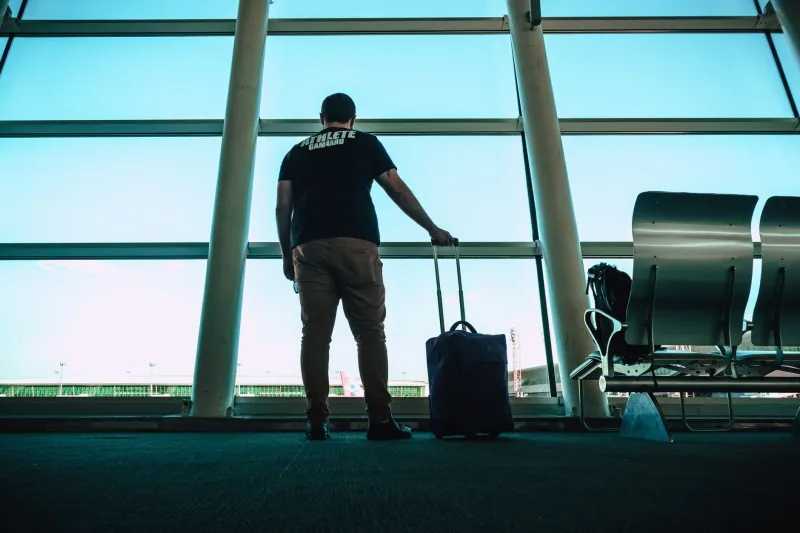
There's a particular face you see at baggage claim on the Sunday after Thanksgiving. Tight across the cheeks. A little puffy under the eyes. Flaky at the corners of the nose. It isn't a breakout, exactly — it's closer to a hangover, just not the fun kind. Call it the holiday skin hangover, and it's less about one bad night than about four stressors stacking on top of each other in a single afternoon.
Cold-weather air travel asks a lot of your skin. You spend hours in a low-humidity cabin, land into wind and dry outdoor air, then walk into a hotel or in-law's house running forced-air heat. The good news: this is a logistics problem, not a skin-type problem. You don't need a new routine. You need a small, boring kit and a plan for the first night.
What's Actually Happening to Your Face at Cruising Altitude
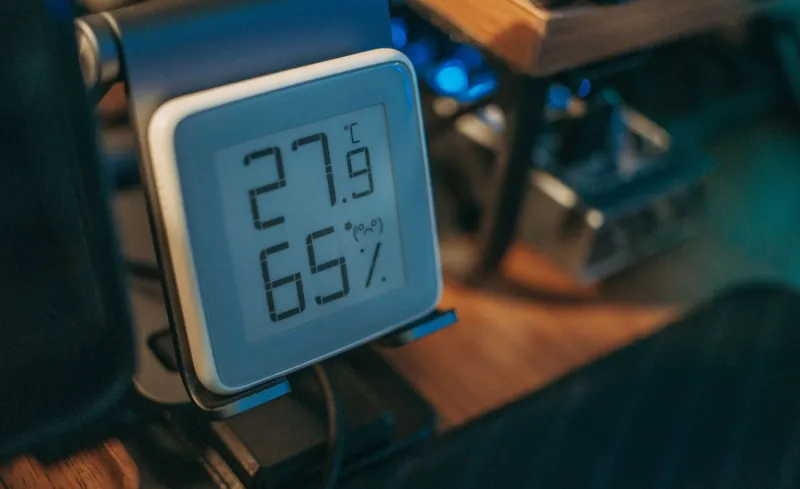
Cabin humidity typically runs in the low double digits — often well under 20%, versus the 40–50% many of us have at home. That gradient pulls water out of your skin, your lips, your eyes, and your nasal passages all at once. Add cabin pressure, a disrupted sleep schedule, and the salty airport pretzel situation, and you get the familiar look: dull tone, fine lines that seem to have deepened overnight, and a barrier that's suddenly reactive to things it usually tolerates.
None of this is permanent damage. It's transient dehydration plus a temporarily irritated barrier. But the second half of the trip matters just as much. Walking out of a 72°F terminal into a 20°F parking garage with wind is its own event, and so is the dry heat waiting at the other end. The goal isn't to fight any single one of these. It's to keep the barrier steady through all of them.
The Carry-On Kit: Small, Solid, and Deliberately Boring
Standard screening lanes still cap liquids at 3.4 ounces (100 mL) per container, packed in a single quart-size clear bag. Some airports with newer CT scanners are more flexible, but build your kit as if they aren't — you don't want to be the person repacking at 5 a.m.
The trick is leaning on formats that don't count as liquids and products that do three jobs at once:
- A solid or balm cleanser in a tin. No leaks, no bag space.
- One hydrating serum, travel size — glycerin or hyaluronic acid, nothing fancy.
- A barrier cream with ceramides or squalane, plus a small tube of petrolatum-based ointment for lips, nostrils, cuticles, and any patch that's already cracking.
- A sunscreen stick, SPF 30 or higher. Yes, in winter. Snow reflects a serious amount of UV back at your face.
- Two lip balms. One will vanish into a coat pocket. Accept it.
- Preservative-free eye drops and a travel hand cream. Not skin products in the strict sense, but the same dryness is driving all of it.
Skip the face mist. It feels lovely for about ninety seconds and then evaporates, taking a little more moisture with it. And leave the actives at home — a travel week is not the week to introduce retinol or an acid you've never patch-tested.
Three Mid-Flight Moves That Cost Nothing
First, drink water before you feel thirsty, and treat the drink cart as optional. Alcohol is a diuretic, and you're already in a drying environment.
Second, resist the urge to wash your face in the lavatory sink. The water is fine, but the ritual leaves you wet, dripping, and drying off with a paper towel. Instead, blot if you're oily, press a thin layer of hydrating serum over your cheeks and around your mouth, then dab ointment on your lips and the edges of your nostrils. That's it.
Third, apply hand cream every time you use hand sanitizer, and keep your hands off your face. Tray tables, seatback pockets, and security bins are not places your fingertips need to visit and then relocate to your chin.
Landing Into Cold: The First Two Hours Matter
Wind strips moisture from exposed skin faster than still air does, so a scarf across the lower face and a pair of gloves are legitimate skincare tools in January. If you're connecting through a cold city, don't be heroic about the walk from the rideshare drop-off.
One important adjustment: don't exfoliate the night you arrive, no matter how rough your skin feels. Texture after travel is usually dehydration masquerading as buildup, and scrubbing it just extends the irritation. Also, keep the sunscreen stick in your coat pocket — a sunny day on fresh snow is one of the more underrated UV exposures of the year.
The Arrival-Night Reset: Ten Minutes, Three Steps
This is the part people overcomplicate. You're tired, you're in a guest room, and nobody needs a seven-step ritual at 11 p.m.
Step one: Wash with lukewarm water and a gentle cleanser. Not hot. Hot water feels great on a cold day and undoes the work.
Step two: While skin is still slightly damp, press in one hydrating layer, then follow with your barrier cream. Damp skin plus moisturizer is the whole trick.
Step three: Seal the edges — ointment on lips, around the nostrils, on knuckles, and on whatever patch feels tight. Then go to sleep. Sleep is, genuinely, the most effective product in the bag.
If the room is aggressively dry, lower the thermostat a couple of degrees and set a glass of water on the nightstand. If you have room in your luggage for a travel humidifier, great; if not, don't buy one at the airport gift shop for $60.
What to Skip Entirely
Sheet masks on the plane are messy, socially awkward, and if you leave one on too long it can pull moisture back out. Strong acids and retinoids can wait until you're home and sleeping normally. And don't chase a last-minute glow the night before a family photo — that's a sleep and hydration situation, not a serum situation.
A Screenshot-Ready Packing List
Balm cleanser · hydrating serum · barrier cream · ointment tube · SPF stick · two lip balms · eye drops · hand cream · wide-brim hat or scarf for cold arrivals. All of it fits in a quart bag with room to spare.
The bottom line: holiday travel is a stress test, not a season. Pack dull products, apply small amounts more often than you think you need to, and give yourself an arrival night focused on repair rather than performance. The glow can wait until you're home and rested — which, honestly, is when it shows up anyway.