Your Face Is Taking Notes: What Your Gut Is Whispering to Your Skin
You can drop serious money on serums, but if your gut is unhappy, your skin may quietly refuse to cooperate. It sounds like wellness-world hype, but the science here is more legitimate than most TikTok trends: researchers call it the gut-skin axis, and it's changing how dermatologists think about complexions that won't behave.
The Two-Way Street Between Your Belly and Your Face
Your digestive tract hosts trillions of bacteria that do far more than break down lunch. They help regulate inflammation, produce vitamins, and communicate with your immune system — and your skin is one of the loudest listeners.
"When the gut microbiome gets out of balance, we often see it reflected in the skin," explains Dr. Marissa Chen, a board-certified dermatologist in San Diego. "Low-grade systemic inflammation can worsen acne, rosacea flares, and even accelerate visible signs of aging."
In other words, that stubborn dullness or the breakout that showed up despite your diligent routine? Your gut might be sending a memo.
Signs Your Skin May Be Flagging a Gut Issue
No single symptom is a diagnosis, but dermatologists say these patterns are worth noticing:
- Persistent breakouts along the jawline and cheeks that don't respond to topical treatment
- Unexplained redness or rosacea-like flushing, which studies have linked to small intestinal bacterial overgrowth (SIBO) in some patients
- Chronic dryness or dullness, even when you're hydrating topically
- Eczema flares that correlate with digestive symptoms like bloating
"I always ask patients about their digestion," says registered dietitian Alicia Grant, RD, who works with skin patients in Chicago. "Bloating, irregularity, and skin issues often travel together."
Skip the Pill, Pass the Ferments
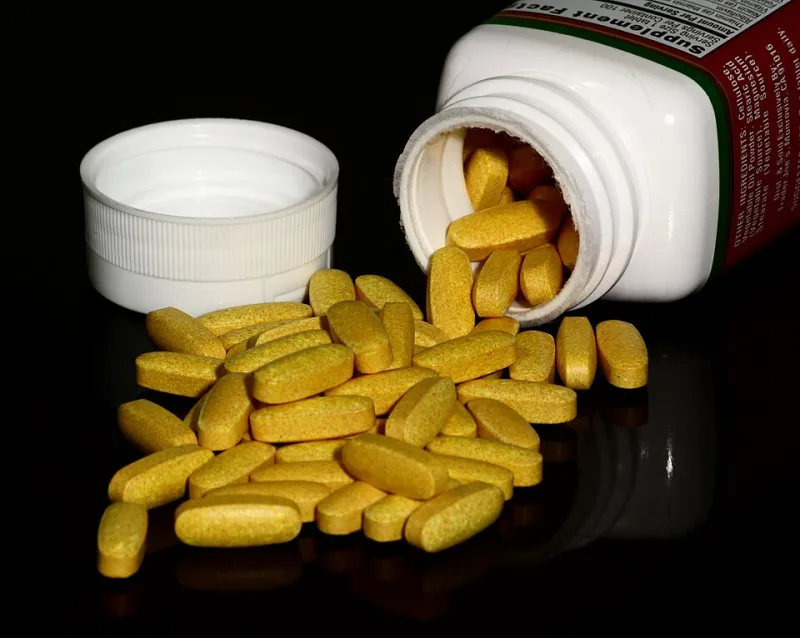
Here's the part your wallet will love: you don't need a $60 probiotic capsule to support your microbiome. Food does the job — often better.
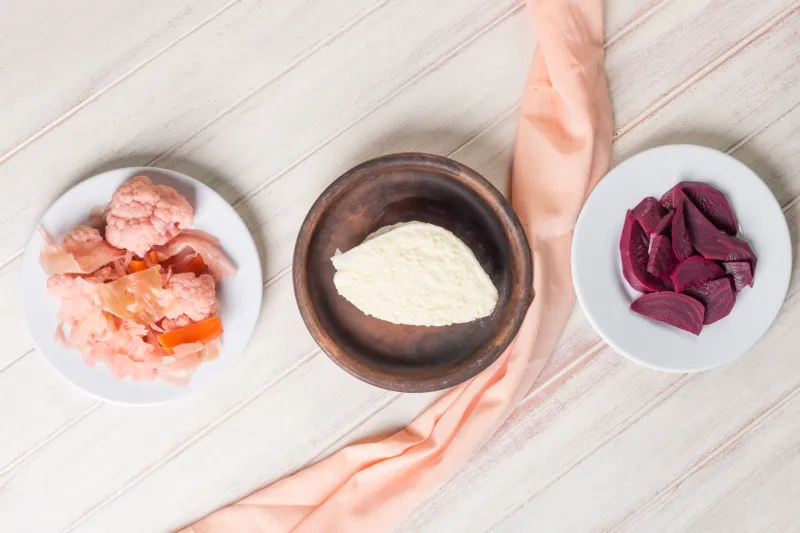
Fermented all-stars to add to your cart:
- Yogurt with live cultures — look for "live and active cultures" on the label, not just sugar with a yogurt costume
- Kefir — a tangy, drinkable fermented milk with a broader range of bacterial strains than most yogurts
- Sauerkraut and kimchi — unpasteurized versions from the refrigerated section carry live bacteria
- Kombucha — fun, fizzy, and widely available at any US grocery store, though watch the added sugar
- Miso and tempeh — fermented soy options that double as easy weeknight protein
Just as important are prebiotic foods — the fiber that feeds your good bacteria. Think oats, garlic, onions, bananas, asparagus, and beans. "Probiotics are the workers, prebiotics are the groceries," Grant likes to say. "You need both."
The Lifestyle Levers That Matter More Than Any Bottle
Both experts stress that microbiome health isn't just about what you eat:
- Sleep like it's your job. Irregular sleep disrupts gut bacteria rhythms — and skin repair happens overnight.
- Dial back the ultra-processed stuff. Highly processed foods and excess sugar can promote inflammatory bacteria.
- Manage stress. The gut-brain-skin connection is real; chronic stress alters both digestion and oil production.
- Ease up on unnecessary antibiotics. They're sometimes essential, but they clear out good bacteria along with bad. Never pressure your doctor for them.
- Eat the rainbow. Diverse plant foods mean diverse gut bacteria — and diversity is the gold standard for a healthy microbiome.
When to Actually Consider a Supplement
Probiotic supplements aren't useless — they're just not a first step. "If someone has taken a long course of antibiotics or has a specific condition, a targeted probiotic can help," Dr. Chen says. "But for most people, food first. Supplements should be an add-on, not a foundation."
If you do shop for one, look for third-party tested products with clearly labeled strains (like Lactobacillus and Bifidobacterium species) and a CFU count printed with an expiration date, not just "at time of manufacture."
The Bottom Line
Your skin is a mirror of what's happening inside, and the reflection is shaped daily — meal by meal, night by night. A yogurt at breakfast, an extra serving of beans at dinner, and a consistent bedtime won't trend on social media. But they may do more for your glow than anything in a dropper bottle.
Your gut keeps the receipts. Your face will show them.